How to use and maintain your windshield wipers
Wipers are one of the most overlooked but crucial components in a car at critical moments. Whether it's a sudden rainstorm or dew and dust on the windshield in the morning, a pair of wipers in good condition can provide you with a clear view, which is directly related to driving safety. However, many car owners do not think of replacing their wipers until they have completely "gone on strike". This article will guide you on how to properly use and maintain wipers to achieve optimal performance in various weather conditions.
1. Avoid dry scraping
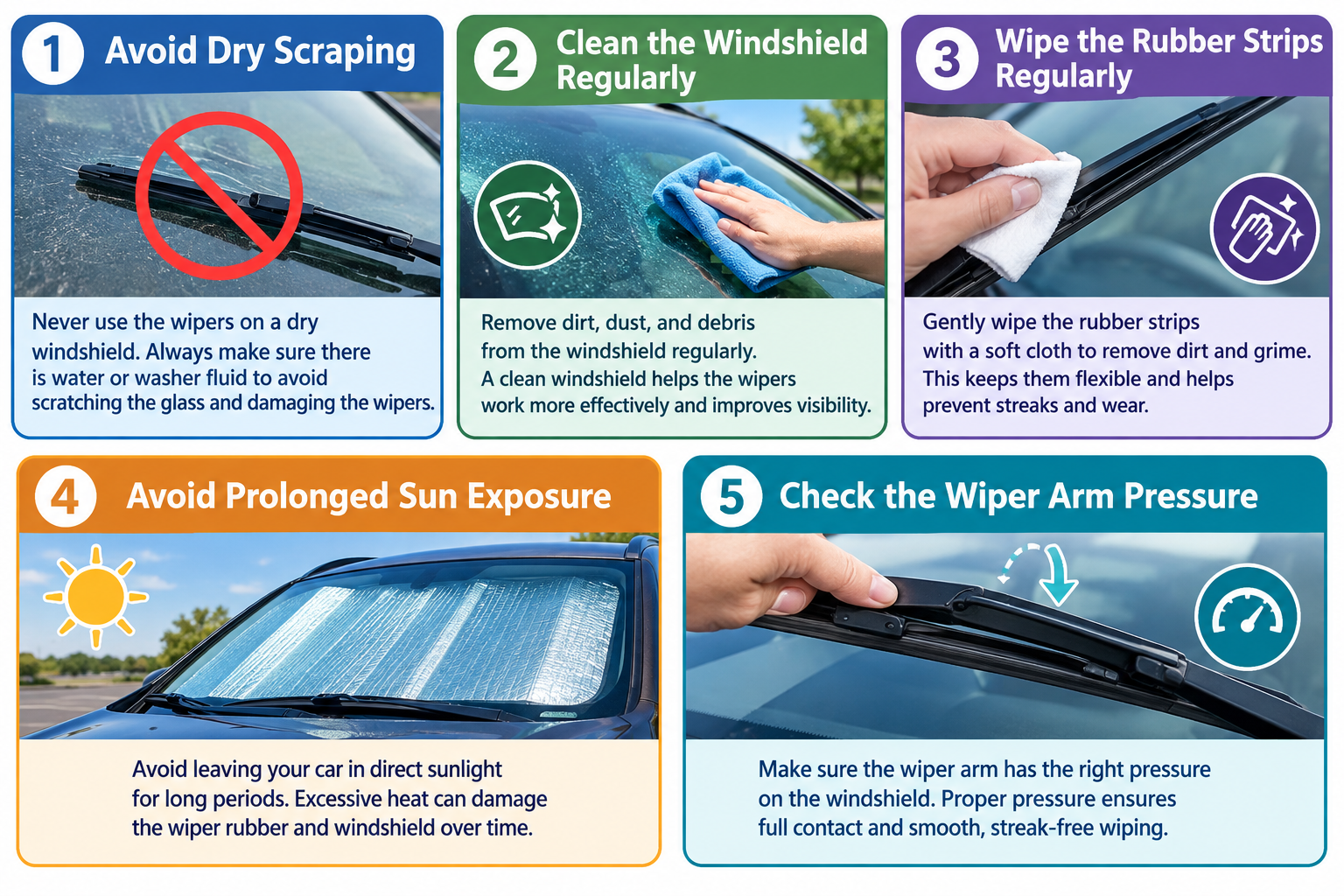
This is the most common and damaging habit for wipers. When the windshield is dry, the friction between the rubber strip and the glass is extremely high, which not only makes it difficult to clean, but also accelerates the wear of the rubber strip and even scratches the glass. Before use, be sure to spray glass water or wet the glass with clean water. If there is a thick layer of dust or mud on the glass, it is recommended to rinse it off with water before turning on the wiper, otherwise the sand particles will wear down the rubber strip like sandpaper.
2. Do not forcefully break or start with your hands
When the windshield wipers are frozen on the glass in winter, do not forcefully turn on the wiper motor or forcefully break the rubber strip by hand, as this can easily damage the motor or tear the rubber. The correct approach is to start the vehicle first, turn on the warm air to blow the windshield, or use deicing agent or warm water (avoid boiling water) to melt the ice layer. Wait for the wipers to thaw naturally before use.
3. Regularly clean the windshield
Oil film, insect glue, gum and other stains on the windshield can cause the wipers to "jump" or leave water marks. Regularly cleaning glass with glass cleaner can not only improve visibility, but also reduce the burden on wipers.
At the same time, you can also learn how to maintain your wipers, thereby increasing their lifespan.
1. Regularly wipe the rubber strip
Every time you wash the car, dip a damp cloth in a little neutral cleaner and gently wipe the edge of the wiper blade to remove any dust, sand, and oil stains that may have adhered. This simple action can significantly extend the lifespan of the wiper and improve the wiping effect.
2. Avoid using inferior glass water
Many people try to replace glass water with tap water or detergent for convenience, but this is actually not worth the loss. Tap water is prone to scale formation, which can clog the spray nozzle; Cleaning detergent may corrode the adhesive strip. It is recommended to use regular car windshield washer fluid, and choose antifreeze models in winter.
3. Avoid prolonged exposure to sunlight
Ultraviolet radiation is the number one killer of rubber aging. Vehicles that are parked in the open air for a long time will experience faster hardening and cracking of the wiper rubber strip. If conditions permit, try to park in an underground garage or use a sunshade.
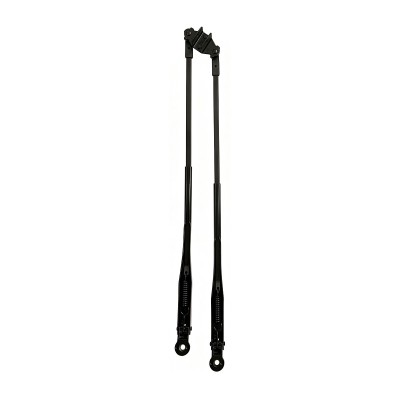
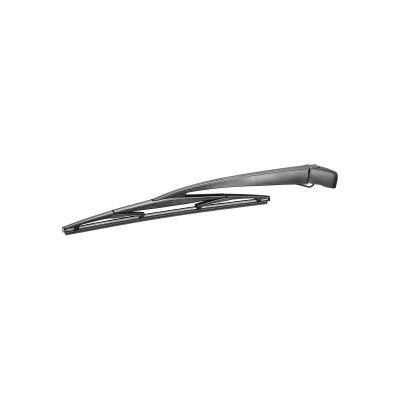
4. Check the pressure of the wiper arm
If the windshield wipers are not cleaned locally and leave water marks in the middle, it may be due to insufficient pressure or deformation of the wiper arm spring. In this situation, replacing the rubber strip alone often cannot solve the problem, and it is necessary to check or replace the wiper arm.