
Everyday Driving
Family and commuter use, where the priority is a quiet, streak-free wipe and a blade that does not need replacing mid-season.
Recommended: JJ-755S Winter shield for the season
SeeVelo · Special Functional Wiper Blades
Special-function wiper blades for conditions a standard blade does not survive: heated blades that free themselves from ice, winter blades that shed packed snow, and specialised spraying and heated constructions — rated 200,000 wipe cycles from -40 °C to +80 °C. Cartons of 50 pcs, MOQ 500, with OEM, ODM and private label support.
Who we are
We are SeeVelo, the wiper brand of Ningbo Zhenhai Jinjian Autoparts Limited Company. We have spent two decades making and exporting wiper blades, wiper arms and rubber strips.
This group collects our special-function range: heated blades with an integral heating element, winter blades built to shed snow and stay flexible below zero, and the specialised spraying and combined spraying-heated constructions grouped under it.
A special-function blade earns its place by solving one specific failure mode — ice bonding the blade to the glass, snow packing the frame, or washer fluid freezing in the line. We build and test the heating, booting and spraying variants on the same line as the standard range, so a niche programme does not mean niche quality.
Engineering
Six technical decisions separate a wiper blade that survives a market from one that comes back as a claim. Each is a checkable point, not a marketing claim.
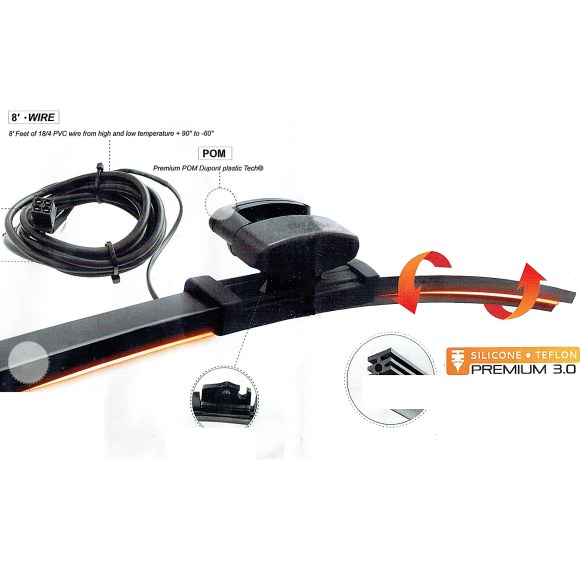
The heating element warms the blade edge so frozen-on ice releases without scraping. The element and its connector are sealed assemblies — heated blades are why this range exists.
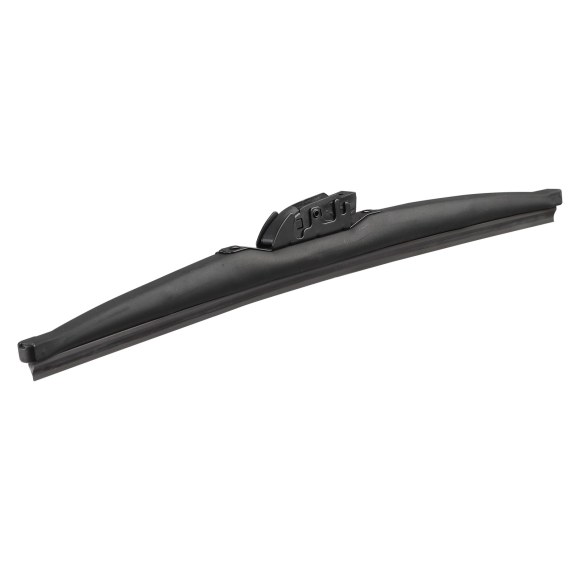
The winter boot covers the frame so snow has nowhere to pack. Where a standard blade bridges and lifts, a booted blade stays on the glass.
The edge stays flexible at -40 °C instead of going hard and skipping. Winter compound is the difference between a blade that survives January and one that does not.
Spraying channels, heating elements or both in one blade — the specialised sub-groups cover markets that need wet-wipe and de-ice in a single SKU.
Heating elements are continuity-tested and fluid channels pressure-tested per batch. A winter warranty claim is expensive; the line is where we prevent it.
Rig testing to the rated cycle figure, run at temperature for the heated and winter grades — the duty they actually serve.
Specifications
Models below are drawn from the live records in this group and its sub-groups. Cycle-life and temperature ratings are manufacturer-stated — confirm against your own validation plan before printing them on retail packaging.
| Item Number | Blade Type | Size Range | Wipe Cycles | Construction |
|---|---|---|---|---|
| JJ-910 | Heated | 12"–28" | 200,000 | Integral heating element, multi-functional body |
| JJ-910S | Extreme winter | 12"–28" | 200,000 | Cold-flex compound, snow-shedding boot |
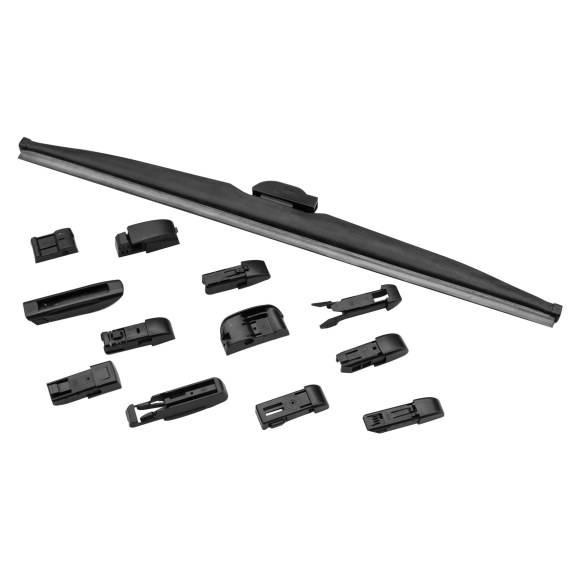
| JJ-755S | Winter shield | 12"–28" | 200,000 | Winter boot, multi-adapter fitting |
All models specified -40 °C to +80 °C · Carton 50 pcs/ctn, inner box optional
Driving conditions
Seven driving conditions that decide which wiper blade a market should stock. Each one is a different failure mode, so the specification that solves it is different too.
Family and commuter use, where the priority is a quiet, streak-free wipe and a blade that does not need replacing mid-season.
Recommended: JJ-755S Winter shield for the season
Ride-hailing, taxi and commercial vehicles cover high daily mileage, so the blade wears on distance rather than on the calendar.
Recommended: JJ-910S Extreme winter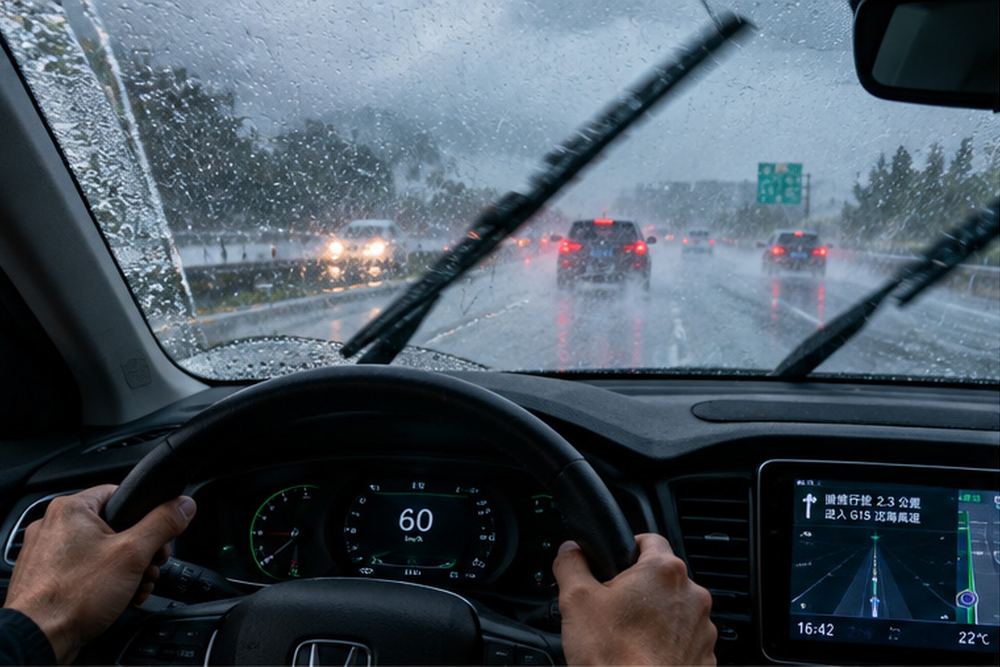
At motorway speed the blade has to move far more water per stroke, and aerodynamic lift pulls a poorly profiled blade off the glass.
Recommended: JJ-755S Winter shield
A sun-exposed cabin can pass 70 °C, which hardens ordinary rubber and makes it tacky and noisy. The heat-resistant compound stays stable and quiet.
Recommended: JJ-755S Winter shield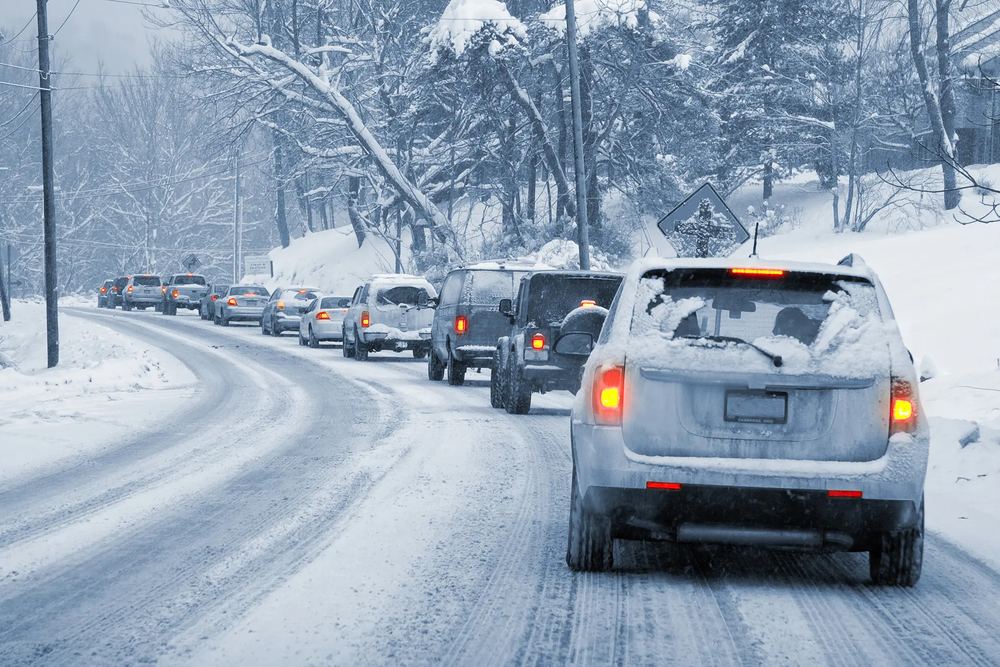
Packed snow bridges the frame and lifts the blade off the screen. A booted construction sheds snow and a cold-flexible compound resists cracking.
Recommended: JJ-910S Extreme winter boot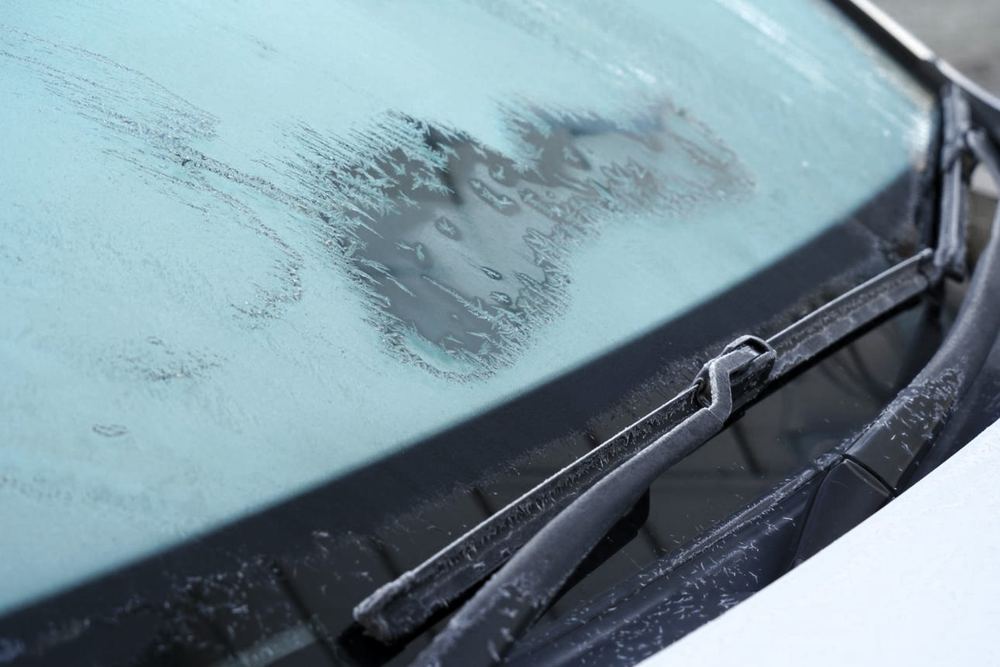
Ice bonds the blade to the glass overnight, and forcing it damages both the rubber and the arm. A cold-flexible edge releases cleanly.
Recommended: JJ-910 Heated — releases overnight ice
Arid regions drive grit into the blade edge, which scratches the glass and wears the rubber fast. Abrion resistance matters more than acoustic performance here.
Recommended: JJ-910S Extreme winterProduct lines
Function families rather than tiers — pick the failure mode your market needs solved, and the sub-group carries the models.
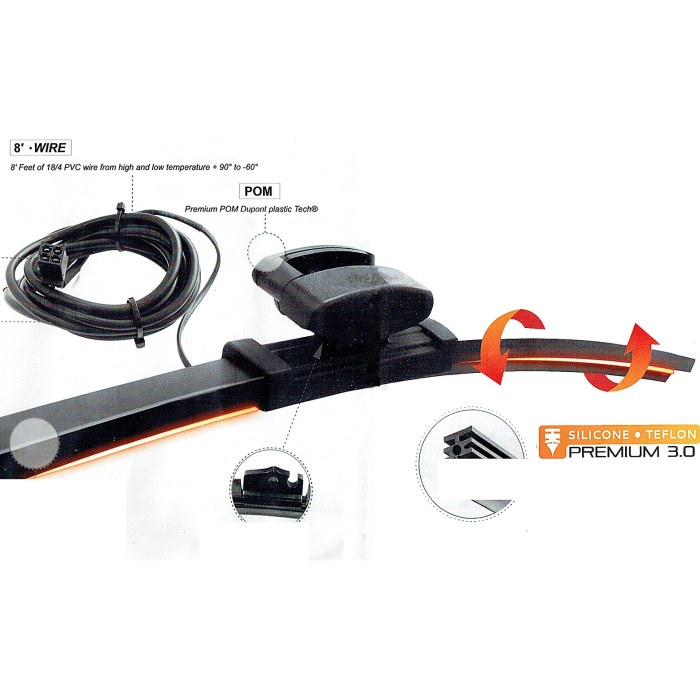
Integral heating element in a multi-functional body — for markets where ice bonds the blade to the glass overnight and a heated edge is the difference between a working blade and a broken one.
ModelsJJ-910
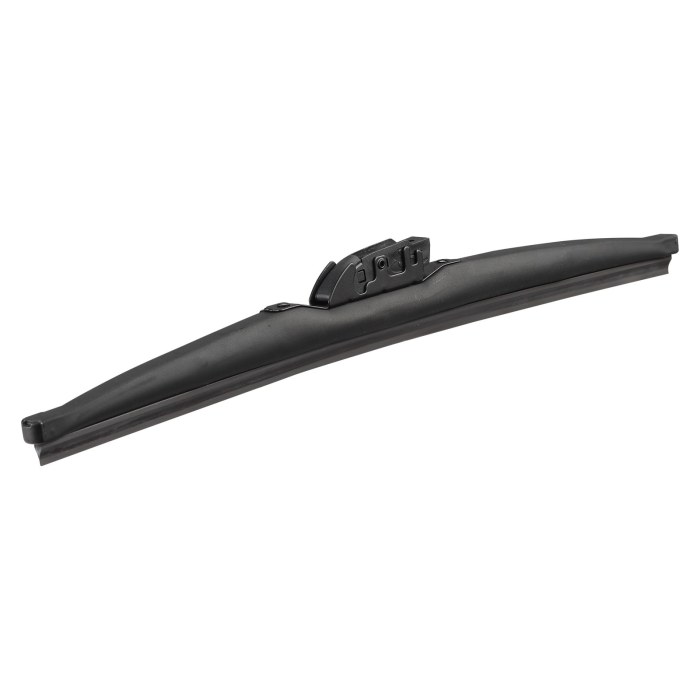
Extreme-winter and winter-shield constructions: cold-flexible compound and a snow-shedding boot for the markets that spend months below zero.
ModelsJJ-910S · JJ-755S
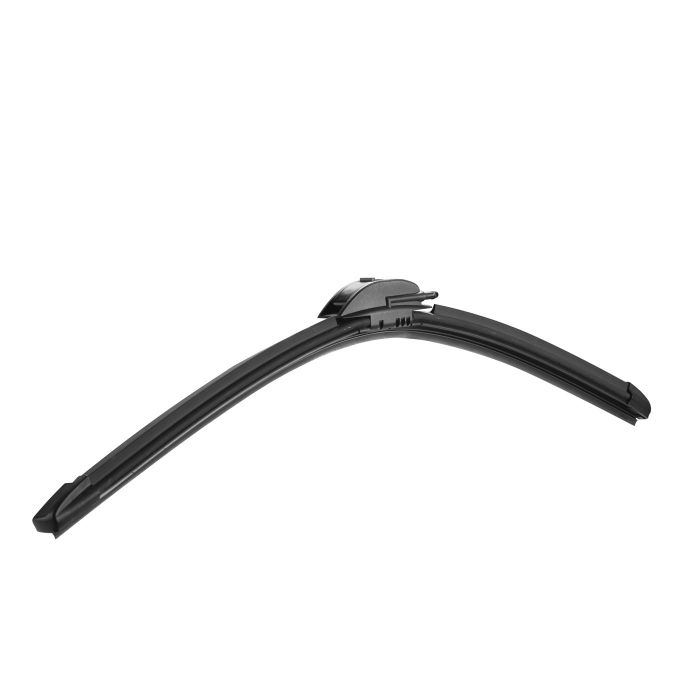
The specialised sub-groups carry the patent spraying blades and combined spraying-heated constructions — channel-in-blade wet-wipe and de-ice in one assembly.
ModelsJJ-801 · JJ-802
Production process
Rubber compounding, rail and frame forming, moulding, assembly and inspection all run on our own line — which is why a spec change is a process change, not a supplier negotiation.
We compound our rubber in-house to the -40 °C to +80 °C spec, then extrude and cut it to length. Graphite and silicone coatings are applied on the edge, not sprayed over the whole profile.
We curve cold-rolled steel to the screen radius under controlled tension — rails for beam and hybrid blades, frames for conventional — so the finished blade presses evenly instead of concentrating force at the centre.
We mould glass-filled polymer adapters and covers, assemble them into the set, and check every one individually for latch engagement before it reaches packing.
We assemble blades onto the rail or frame, then sample them to the wipe-cycle rig. The results set the rated figure carried on the product record.
Our material, in-process and final checks cover rubber hardness, rail curvature, latch fit, cover seating, length tolerance, packing count and carton labelling.
Cooperation
Four cooperation models, all from a 500 pcs MOQ. Samples are drawn from the closest existing model — sample and bulk lead times are quoted per project because they move with the length mix and packaging format.

We build to your specification and brand, or you choose an existing model and we apply your branding, packaging and length mix. Both routes start from a requirement brief.
Best forBrand owners and importers holding their own catalogues
Your carton, your inner box, your cover print. Artwork approval is a gate — printing does not start until it is signed off.
Best forDistributors building a house brand
Standard models ship from stock in cartons of 50 pcs with optional inner boxes, at a 500 pcs MOQ.
Best forJobbers and e-commerce sellers testing the category
Length mixes sized to the parc you actually serve, with long-life grades for accounts that replace on condition.
Best forRental, ride-hailing, taxi and car-sharing fleetsCompliance
ISO 9001 quality management, product compliance documentation, vehicle fitment coverage data and registered patents — the certificates behind every wiper blade order.







Product knowledge
Three guides that answer the questions buyers ask before they order a wiper blade range.
Two triggers: ice that bonds the blade to the glass (heated) and snow that packs into the frame (winter boot). Below those conditions the standard range already meets the spec — sell the function, not the label.
A heated blade actively warms its edge to release ice; a winter blade passively resists it with a cold-flex compound and a boot that sheds snow. Severe-ice markets need the heated SKU; snow markets are usually served by the cheaper winter boot.
As the premium SKU beside the standard range, not instead of it. One heated or winter blade per length ladder covers the severe-climate demand; the standard range carries the volume.
FAQ
The questions distributors, brands and fleets ask most often about special functional wiper blades.
The element runs on the vehicle's 12 V circuit and only draws power while the wipe system is on. Continuous testing is done at rated voltage — in normal service the draw is a fraction of what the rear demister uses.
Usually not — a standard blade already holds its -40 °C rating. Winter boots earn their keep where snow packs the frame for weeks; sell them regionally, not nationally.
Measure the existing blade end to end and round to the nearest inch, on both sides — the Special Functional Wiper Blades range covers the common lengths for the arms it fits. Check the product list by vehicle brand if you are unsure.
Three usual causes: protective film on a new rubber edge, a contaminated screen, or an arm that no longer presses evenly. Clean the screen, wipe the edge, then check contact before returning the blade.
Match the adapter to the arm on the car, click the adapter onto the arm, then push the blade onto the adapter until it latches. Lower the arm gently onto the glass — never let it snap back.
Silicone resists UV and temperature cycling better, so it lasts longer in hot, high-UV markets and leaves a water-repellent film as it wipes. In temperate climates a standard natural rubber edge already reaches its rated cycle life — choose by market, not by rank.
Our standard models are rated 200,000 wipe cycles. Real life is shorter under UV, heat and grit; fleets typically replace on condition rather than on the calendar.
Ship with a fitment chart keyed to arm type and length, confirm brand + model + year at the counter, and standardise on one adapter system so one blade covers the parc.
At trade level the price is driven by rubber grade, frame or rail quality and packaging — not by length. Ask for a landed cost per 1,000 wipe cycles and compare that instead of unit price.
Get a quote
Tell us the climate problem your market needs solved — ice bonding, snow packing or frozen washer lines. We will reply with the matching special-function models, MOQ options and a sample plan.